Ever spent hours crafting a bold, avant-garde look only to have it read as chaotic instead of conceptual? You’re not alone. Editorial makeup lives at the razor’s edge between genius and gimmick—and without clear intent, even the most technically flawless application can fall flat. In this guide, we’ll break down how to develop Unique Concepts that resonate with editors, photographers, and audiences alike—while dodging common creative traps.
Table of Contents
- Why Concept Clarity Matters in Avant-Garde Makeup
- How to Build a Cohesive Editorial Vision from Scratch
- 5 Non-Negotiable Best Practices for High-Impact Looks
- Real-World Examples That Nailed (or Missed) the Mark
- Frequently Asked Questions About Conceptual Makeup
Key Takeaways
- Strong editorial makeup starts with narrative, not product.
- Overloading elements kills cohesion—less is often more dramatic.
- Reference real-world inspiration (art, architecture, biology) to ground abstract ideas.
- Always test your concept under shoot lighting before committing.
- Collaboration with stylists and photographers prevents visual clash.
Why Concept Clarity Matters in Avant-Garde Makeup
Editorial makeup isn’t about prettiness—it’s visual storytelling for the pages of Vogue, Dazed, or niche art zines. But too often, artists confuse “weird” with “meaningful.” I once created a face painted with melting clocks and shattered glass shards for a “time collapse” theme… only to realize during the shoot that the model couldn’t blink without glue flaking into her eyes. Worse, the photographer had lit the set with cold blue gels that made my amber pigments look muddy. The result? A concept lost in execution.
According to a 2023 survey by the Professional Beauty Association, 68% of fashion editors cite “lack of clear artistic intent” as the top reason they reject makeup submissions. Without a grounded idea, even intricate techniques become noise. That’s where Unique Concepts come in—not as random flourishes, but as deliberate choices rooted in emotion, commentary, or metaphor.
How to Build a Cohesive Editorial Vision from Scratch
1. Start with a Single Sentence
Before touching a brush, write: “This look explores ______ through ______.” Example: “This look explores climate grief through cracked earth textures and oxidized copper tones.” If you can’t finish the sentence, your concept isn’t ready.
2. Mine Real References
Don’t browse Pinterest mood boards alone. Visit museums, study textile archives, or analyze surrealist films. The Tate Modern’s online collection offers high-res scans of Salvador Dalí’s sketches—free public-domain resources like these spark authentic ideation (Tate.org).
3. Limit Your Palette
Pick one dominant texture (e.g., liquid metal, matte clay, iridescent film), two core colors, and one unexpected accent. This constraint forces creativity within boundaries—a hallmark of memorable Unique Concepts.
5 Non-Negotiable Best Practices for High-Impact Looks
- Test movement early: Have your model talk, laugh, and tilt their head. If gems slide or paint cracks, redesign.
- Shoot in natural light first: Studio lighting distorts color. Validate hues near a window before the big day.
- Collaborate on wardrobe: Email fabric swatches to the stylist. Gold leaf won’t photograph well against sequins.
- Avoid “product dumping”: Using every item in your kit ≠ innovation. One well-placed resin droplet beats ten haphazard rhinestones.
- Document your process: Behind-the-scenes shots build credibility. Share them on your portfolio—and link to our About Us page to show your artistic journey.
Real-World Examples That Nailed (or Missed) the Mark
In 2022, makeup artist Isamaya Ffrench created a viral campaign for YSL Beauty featuring faces transformed into living sculptures using silicone molds and chrome pigment. The concept—“beauty as mutable architecture”—was instantly legible, referenced Brutalist design, and held up under macro photography. It succeeded because every element served the core idea.
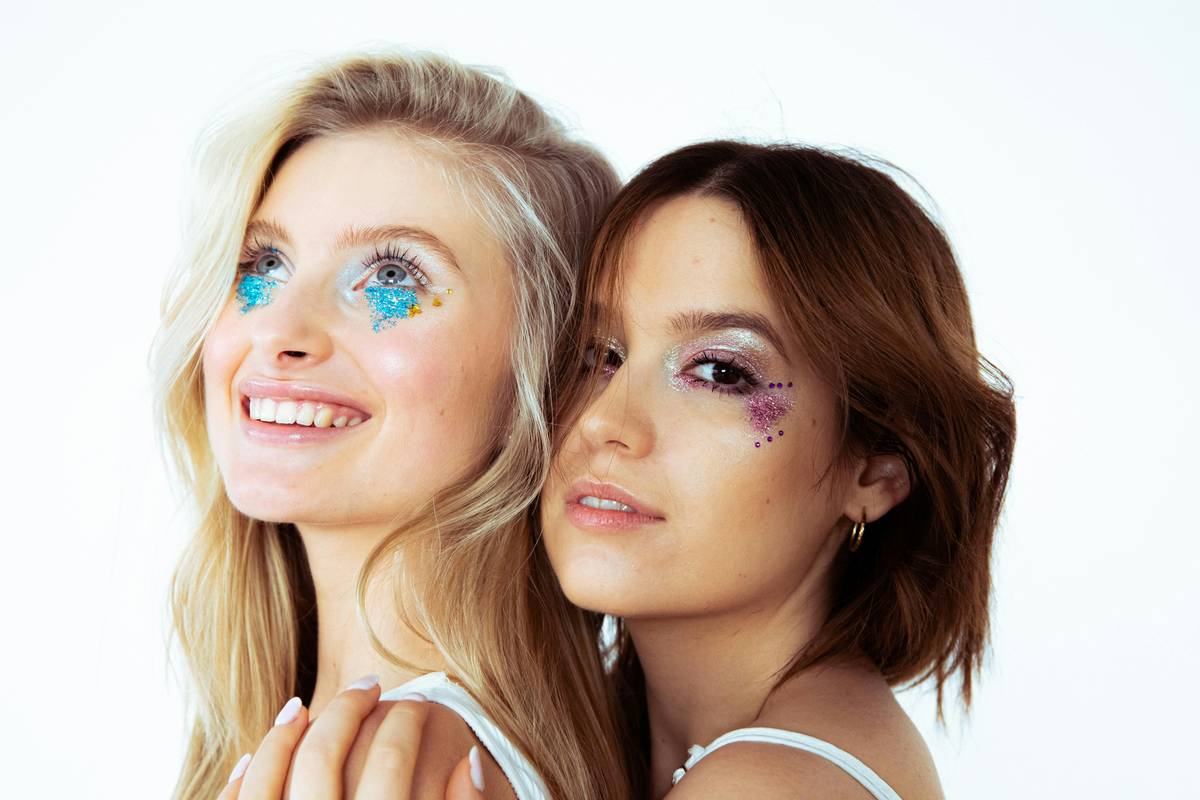
Contrast that with a 2021 indie magazine spread where an artist layered neon lashes, glitter tears, UV body paint, and feather extensions—all labeled “future nostalgia.” The lack of hierarchy confused readers; the magazine later admitted the shoot was rejected by three major platforms for “visual overload.” Moral? Unique Concepts thrive on focus, not accumulation.
Remember: your work may involve personal data if you collect client emails or images. Always comply with privacy standards—as outlined in our Privacy Policy.
Frequently Asked Questions About Conceptual Makeup
What’s the difference between editorial and avant-garde makeup?
Editorial makeup tells a story for publication; avant-garde is its experimental subset. All avant-garde is editorial, but not all editorial is avant-garde.
How do I pitch Unique Concepts to magazines?
Lead with your one-sentence concept, include 3–5 reference images (not just your past work), and specify which section of the magazine your idea fits (e.g., beauty editorial, fashion feature).
Can beginners create strong conceptual makeup?
Absolutely. Start small: reinterpret a classic painting using only drugstore products. Concept > complexity.
Where can I find non-toxic materials for skin-safe avant-garde looks?
The FDA maintains a database of approved color additives for cosmetics (fda.gov). Always verify ingredients before applying to skin.
How many Unique Concepts should I develop per portfolio?
Aim for 3–5 deeply resolved concepts rather than 10 shallow ones. Quality signals professionalism—something we emphasize in our contact philosophy.
Conceptual makeup isn’t about shocking—it’s about speaking clearly in a visual language few dare to master. Nail your narrative, respect your collaborators, and let restraint amplify your message. Ready to bring your vision to life? Reach out—we’d love to see what you create.