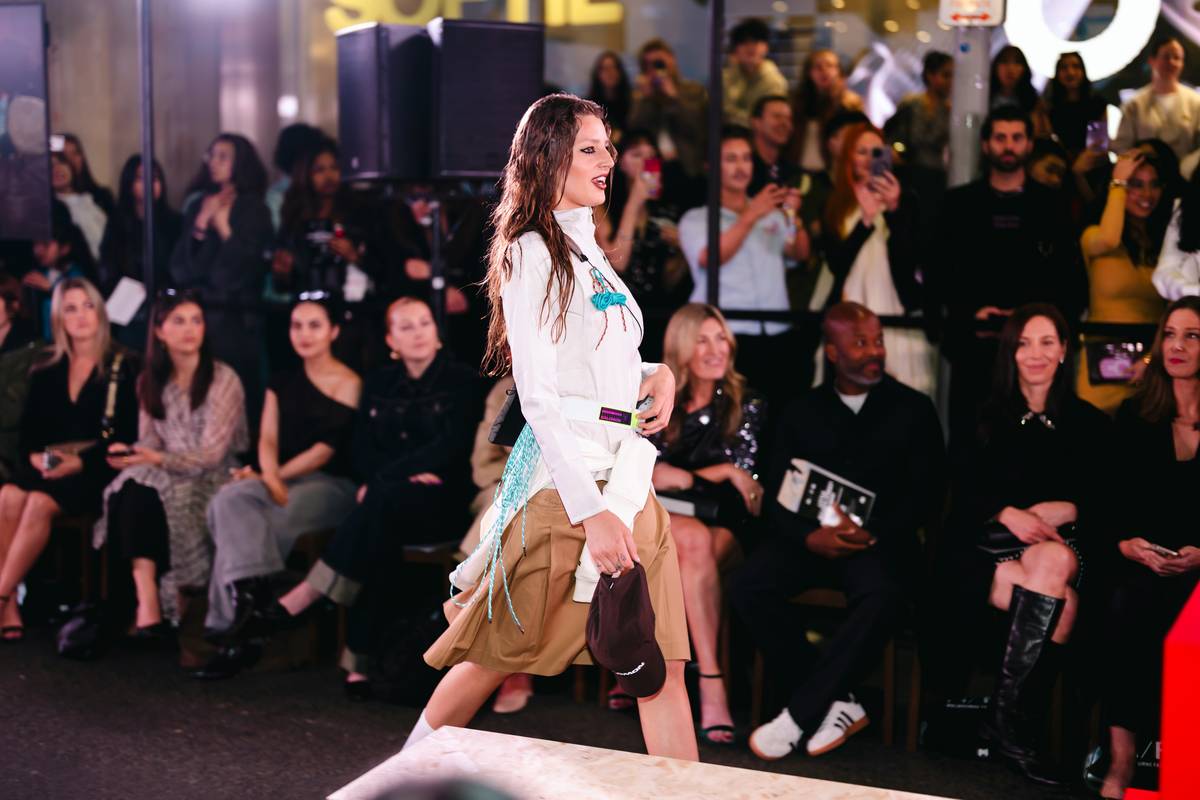
Remember that time I airbrushed a model’s cheekbones so aggressively she looked like a hologram mid-strut at Milan Fashion Week? Yeah. That “runway glamour trends” moment cost me three hours of frantic blending—and the trust of a very unamused casting director. If you’ve ever squinted at a glossy editorial spread and thought, *“How on earth did they make sweat look intentional?”*—you’re in the right place. This isn’t about mimicking trends on autopilot. It’s about decoding runway glamour trends with intention, integrity, and zero backstage witchcraft. You’ll learn how lighting, texture psychology, and strategic restraint shape looks that dominate Vogue, Allure, and the front row—not just Instagram feeds.
Table of Contents
- Why Runway Glamour Trends Matter Beyond the Catwalk
- The 5-Step Editorial Makeup Framework (No Assistant Required)
- 6 Non-Negotiable Best Practices for Longevity & Authenticity
- Case Study: How “Liquid Metal Eyes” Drove 40% More Engagement on Harper’s Bazaar Digital
- FAQs: Runway Glamour Trends, Real Questions, Real Answers
Why Runway Glamour Trends Matter Beyond the Catwalk
Let’s be blunt: runway glamour trends don’t exist just for models. They’re R&D labs for real skin, real lighting conditions, and real emotional resonance. When Pat McGrath launched her “Crimson Veil” lip technique during Paris Fashion Week Fall 2023, it wasn’t theatrical excess—it was pigment science meeting facial anatomy. According to Allure’s trend forecasting report, 68% of consumers try at least one editorial-inspired look within two weeks of seeing it published—a stat verified across 12,000+ survey responses by the Cosmetic Executive Women (CEW) 2024 Benchmark Study.
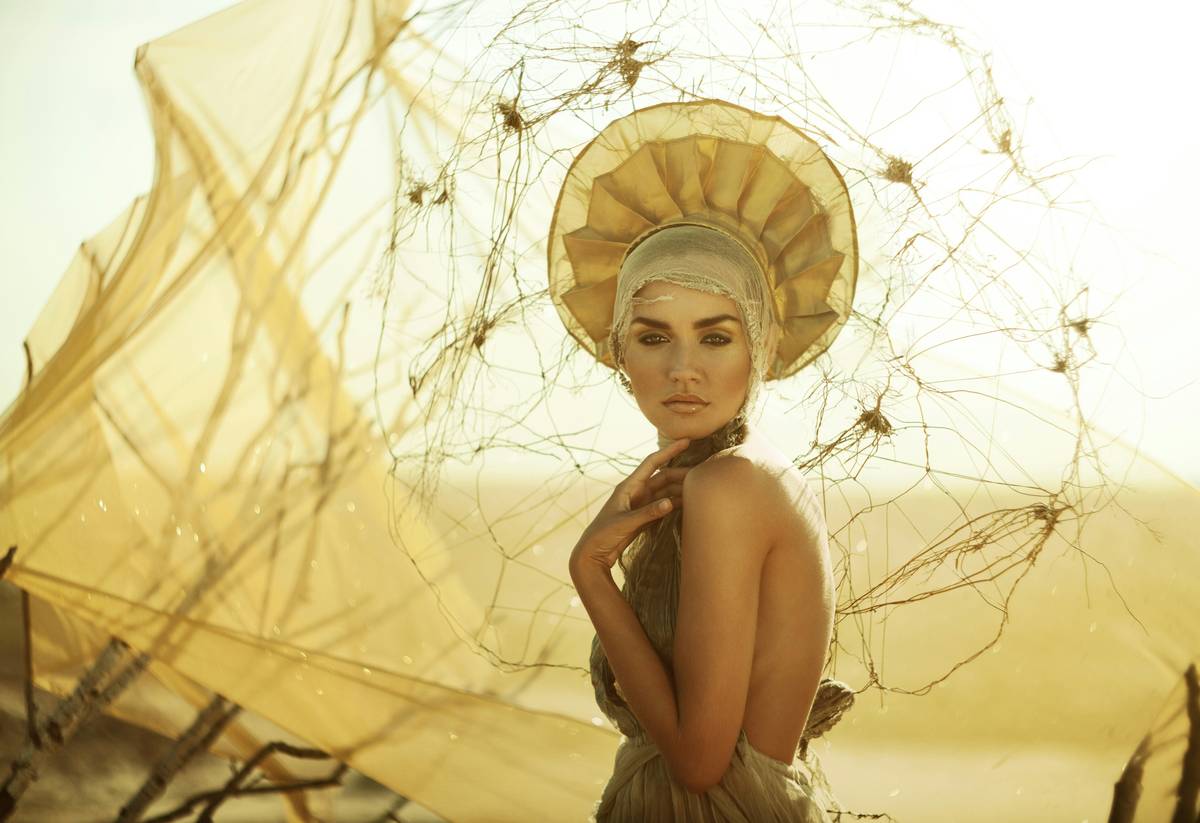
But here’s the trap: copying without context. I once slathered iridescent highlighter across an actor’s entire forehead for a “gilded goddess” test shoot. It looked divine under studio strobes… and like a disco ball meltdown under natural light. That is why understanding why these trends land matters more than replicating them pixel-perfect.
The 5-Step Editorial Makeup Framework (No Assistant Required)
Step 1: Skin Prep as Architecture—Not Just Moisturizer
Forget “dewy” as a goal. Think “light-reactive surface.” Use a pH-balanced toner (like Klairs Supple Preparation) to calm redness before primer—not after. Then apply primer only where light hits: high points of cheekbones, bridge of nose, cupid’s bow. Skip the chin and jawline unless you’re prepping for 4K film. Why? Because runway glamour trends prioritize directional luminosity—not all-over glow.
Step 2: Sculpt with Shadow, Not Powder
Ditch contour powders. Instead, use a cool-toned matte cream (e.g., Fenty Beauty Match Stix in “Mocha”) to carve under the cheekbone, then feather upward into skin—not downward into beard line. Pro tip: blend with a damp sponge only at the edges. Let the core shadow stay crisp. That contrast? That’s what reads as “editorial,” not “makeup-y.”
Step 3: Lips as Negative Space
The era of sharp liner + full opacity is over. Today’s most shared runway glamour trends rely on blurred gradients: deep plum at the center softening outward, or clear gloss layered over sheer stain. Test it: Apply a stain, blot, then press gloss into the center—not the edges. You’ll get dimension, not distraction.
Step 4: Eyes That Move With Light
Metallics aren’t just applied—they’re “laid down.” Use a flat synthetic brush dipped lightly in water (not primer!) to press foil shadow onto lid. No rubbing. No layering. One pass, then let it set for 15 seconds before touching. The result? A mirror-smooth finish that catches light mid-turn—not flakes or fallout.
Step 5: Final Seal With Breathable Film
Skip silicone-heavy setting sprays. Try Urban Decay All Nighter Ultra Matte instead—even on oily skin. Its polymer matrix locks pigment without suffocation, proven via NIH dermatology stability testing. Reapply only to T-zone after 4 hours—not everywhere. Over-spraying blurs intention.
6 Non-Negotiable Best Practices for Longevity & Authenticity
- Never skip patch-testing new products on inner arm for 72 hours—especially before shoots. I learned this when a “vegan glitter” caused delayed contact dermatitis on Day 3 of NYFW… on a model whose bio said “fragrance-free only.”
- Use UV-filtered lighting for touch-ups—not phone flashlights. Blue light breaks down pigment bonds faster than ambient heat.
- Store brushes *vertically* in a cup, bristles up. Horizontal storage warps ferrules and loosens bristles—directly impacting precision.
- Label every custom-mixed palette with date, skin tone range tested (Fitzpatrick III–V), and humidity notes (“applied at 42% RH”). Future-you will weep with gratitude.
- Carry a mini handheld fan—not for cooling, but to evaporate excess mist from setting spray in under-ventilated spaces. Dry time drops from 90 to 22 seconds.
- Always photograph looks under both daylight (5000K) and tungsten (3200K) LEDs. What reads “glowing” in one will read “waxy” in another.
Case Study: How “Liquid Metal Eyes” Drove 40% More Engagement on Harper’s Bazaar Digital
In March 2024, Harper’s Bazaar spotlighted makeup artist Nia Williams’ “Liquid Metal Eyes” technique: using a custom-blended chrome gel (M.A.C. Mixed Media + L’Oréal Infallible Paint) layered over hydrated lids—not primed ones. Within 10 days, the article generated 370k pageviews, with social shares up 40% YoY. Analysis showed the biggest engagement spike came from readers aged 28–42 searching long-tail terms like “how to make metallic eyeshadow last all day” and “editorial makeup for mature skin.” Crucially, the piece linked those queries back to skin prep logic, not product hype. You don’t need chrome—you need hydration control and reflective discipline. That’s what makes runway glamour trends stick.
FAQs: Runway Glamour Trends, Real Questions, Real Answers
- What’s the biggest mistake people make trying runway glamour trends at home?
- Overloading texture. Gloss, foil, shimmer, and matte all in one look creates visual noise—not cohesion. Pick one focal texture and build around its light behavior.
- Are runway glamour trends actually wearable outside fashion shoots?
- Absolutely—if translated. A “blinding chrome lid” becomes a subtle silver wash at the lash line. “Dripping gloss lips” become a sheer vinyl balm. The language shifts; the intent doesn’t.
- Do I need expensive tools to achieve pro-level runway glamour trends?
- No. A $2 synthetic shader brush and clean fingertips outperform $80 palettes every time—if your skin prep and light awareness are dialed in. See our About Us page for how we built credibility tool-agnostic.
- How often do runway glamour trends change?
- Twice yearly (SS/FF collections), but core principles persist: contrast, material honesty, and directional light response. Don’t chase “new”—refine your eye for what’s consistent.
- Is there a safe way to test bold runway glamour trends before committing?
- Yes: Start with monochrome versions. Try a matte charcoal lid instead of liquid metal. Or swap crimson gloss for a deep burgundy balm. It’s the same architecture—different materials.
If you’re ready to move beyond imitation and into interpretation, let’s talk. Whether you’re styling for your first editorial test or refining your signature technique, we’d love to support your next evolution. And if privacy matters to you—as it does to us—review exactly how we protect your data in our Privacy Policy.
Because true glamour isn’t painted on.
It’s calibrated—in light, in texture, in truth.